
Charm School • Choosing Materials
Sterling Silver, Pewter, or Silicone Wristbands: How to Choose the Right Material for Your Cause
If you're ordering custom charms or bracelets for a nonprofit, the material you pick shapes how long your supporters keep them. Here's a clear, honest comparison - inclding when silicone is the right call.
Charity Charms Team • june 17, 2026
The Short Answer
Choose silicone wristbands when you need a high volume of low-cost items for a single event or a moment. Choose recycled pewter for an affordable keepsake that captures fine logo details and holds up for years. Choose sterling silver when the piece is meant to be treasured - a major donor gift, a recognition piece, or an heirloom-quality symbol. Most causes don't need the most expensive option; they need the one that matches how the piece will be used.
Every nonprofit ordering branded jewelry eventually hits the same fork in the road: sterling silver, pewter, or silicone? The price differences are real, but price is the wrong place to start. The better question is what you want the piece to do after it is given.
This guide breaks down what each material actually is, how it behaves over time, and which kind of cause and campaign each one fits. We make charms in recycled pewter and sterling silver, so we have a point of view - but the goal here is to help you choose well, even if that means silicone.
What each material actually is
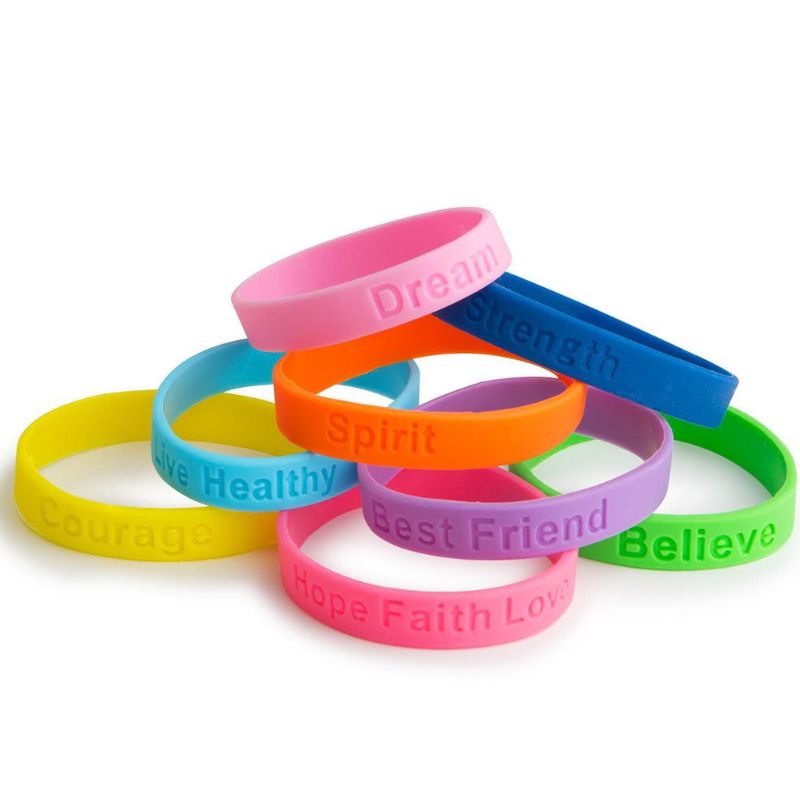
Silicone Wristbands
Silicone wristbands are molded synthetic rubber, usually with a debossed or printed message. They're inexpensive, come in any color, and can be produced in very large quantities quickly. They're the familiar awareness-band format most people already own at least one of.
Molded synthetic rubber
Relatively low cost
Basic deboss/print details
Wears and degrades; tied to a moment
Casual and disposable feel
Best for high-volume single events
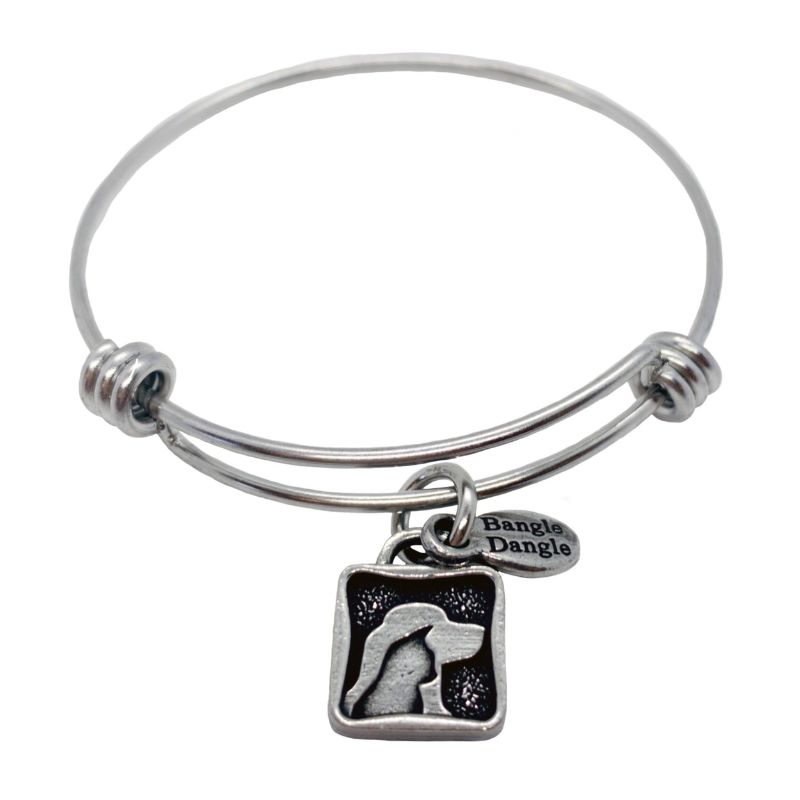
Pewter
Pewter is a metal alloy made mostly of tin, with small amounts of metals like copper and antimony added for strength. Modern jewelry pewter is lead-free. It's softer than sterling silver, which is exactly why it captures fine detail so well when cast, making it excellent for translating an intricate logo into a wearable charm. Quality pewter resists tarnish and rust, though its shine can dull gently over time and is easily restored.
Tin-based metal alloy, lead-free
Moderate cost
Excellent - holds fine logo detail
Years of wear; can dull, easily restored
Substantial keepsake feel
Best for year-round keepsakes at scale
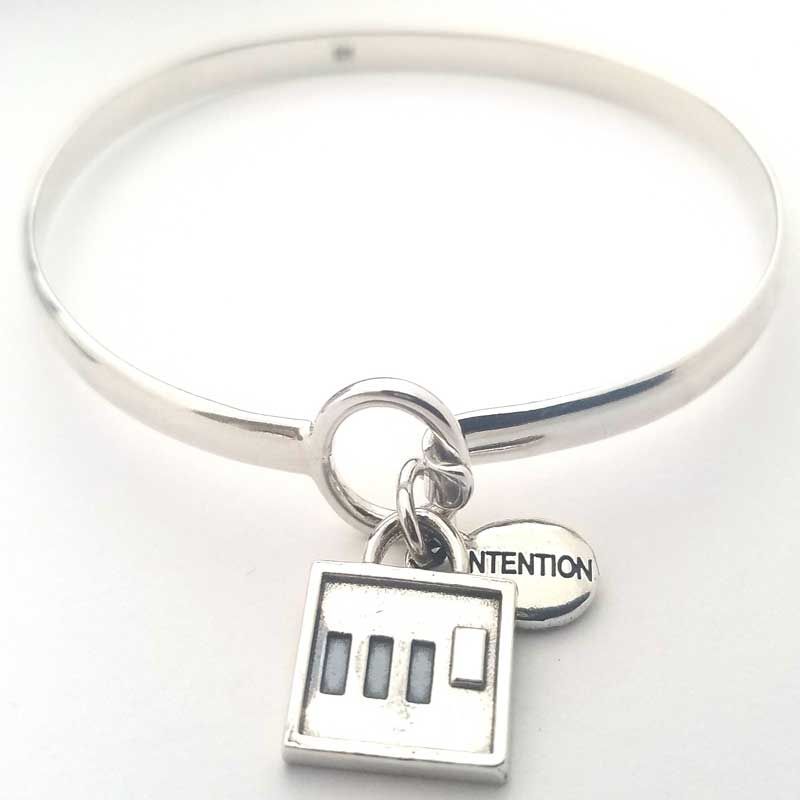
Sterling Silver
Sterling silver - often stamped "925" - is an alloy of 92.5% pure silver and 7.5% other metals, typically copper. That small amount of copper is what gives sterling its strength; pure silver alone would be too soft for everyday wear. Sterling can tarnish when exposed to air and humidity, but tarnish is surface-level and polishes off easily. It doesn't rust. It's a precious metal, which is why it costs more and reads more like a keepsake.
92.5% silver alloy
Highest relative cost
Excellent - holds fine logo detail
A lifetime; tarnish polishes off
Premium keepsake feel
Best for major donor & recognition gifts
How to Actually Decide
Forget the price tags for a second and answer three questions about the piece you're planning.
How long do you want it to last?
If the item only needs to live for the night of an event - a walk, a 5K, a single rally - silicone does that job at the lowest cost per unit. If you want supporters wearing it months or years later, in conversations and photos long after the event, you want metal. A piece people keep continues working for your cause.
How much does your logo matter to the piece?
A debossed band can cerry a word or a URL. But your symbol - a butterfly, a heart, a wheat stalk, a specific mark you community already recognized - is the point; casting it in pewter or silver renders that detail in three dimensions in a way printed rubber simply can't. The symbol becomes the object.
Who's receiving it, and what does it need to say?
A welcome-bag insert for 500 attendees and a recognition gift for a five-figure donor are not the same job. Many organizations use more than one material in the same campaign: silicone for broad awareness, pewter for the keepsake tier, and sterling for the people they most want to honor. Materials can be a strategy, not a single choice.
Frequently Asked Questions
Is pewter or sterling silver better for a custom charm?
Both capture fine logo detail beautifully because both are cast. Pewter is the more affordable keepsake and is ideal when you're producing meaningful quantities. Sterling silver is the premium, heirloom-quality choice for pieces meant to be treasured for a lifetime. Neither is "better" universally - it depends on the role the charm plays in your campaign.
Does sterling silver tarnish?
Yes, slowly. The copper in the 92.5% alloy reacts with sulfur in the air over time, creating surface tarnish. It's not rust, and it's not permanent - a polishing cloth restores the shine. With basic care, sterling stays beautiful for decades.
Is pewter safe and good quality?
Modern jewelry pewter is lead-free and durable. It's softer than sterling, which is what lets it hold intricate detail when cast. It won't rust, and while its surface can dull gently over the years, it polishes back easily.
Is silicone ever the right choice for a nonprofit?
Absolutely. For a single large event where you need hundreds or thousands of low-cost awareness items, silicone is practical and effective. The thing to know is what you're trading: silicone is tied to the moment, while a cast metal charm is built to keep. Pick based on whether you want a moment or a keepsake.
Are recycled metals an option?
Yes. Our charms are cast from recycled pewter and sterling silver, made in the USA, and assembled by adults building job skills at SEEDs for Autism. For mission-driven organizations, the way a piece is made can reflect the same values the organization stands for.
What's the minimum order and how long does it take?
Custom cast charms have a production timeline of roughly 6-8 weeks from first conversation to delivery, which includes design, a 3D proof for your approval, casting, assembly, and shipping. If you're planning a fall event, that means the decision window opens in the summer. Minimums are flexible depending on the program - that's part of what the discovery call sorts out.
Not sure which material fits your cause?
A 30-minute discovery call is all it takes to talk through your symbol, your timeline, and what your supporters will actually keep. No commitment, no design work on your end.
If your fall event window is between September and November, your production window is open now.